The Guaranteed
Rent Specialists

1-5
YEARS

Author: Deniz Ozgen

  • Fire risks in white goods in lettings properties – agents back awareness campaign

    Fire risks in white goods in lettings properties – agents back awareness campaign

    As part of Electrical Safety Week this week, Propertymark is supporting this year’s campaign to raise awareness about the fire risks associated with white goods in lettings properties.

    Last year 1,140 accidental electrical fires involving common household white goods, such as tumble dryers and washing machines, occurred in lettings properties across England – the equivalent of three fires per day.

    Propertymark stresses the important role that letting agents play in ensuring private rented homes up and down the country are safe and reiterates the legislative processes that should be followed to ensure people are protected from these hazards wherever possible.

    In England, Wales and Scotland, agents and landlords have a legal duty to ensure that any electrical items provided in a rental property are safe throughout a tenancy. As well as all appliances, checks must be made on electrical systems such as sockets, switches and light fittings are safe.

    In England, the Electrical Safety Standard regulations require all fixed electrical cables and equipment to be inspected and tested by a qualified person in accordance with the 18th edition of the wiring regulations.

    This includes appliances that are fixed directly to the electrical supply, such as showers or fitted kitchen appliances. Once a qualified person has carried out their inspection and tests, they will provide an Electrical Installation Safety Report.

    In Scotland, tests must be carried out at least every five years by a competent person. After an inspection, a copy of the inspection document must be given to the tenants. When a new tenancy starts a copy of the most recent inspection must also be given to the tenants.

    The Renting Homes (Wales) Act requires all rented properties in Wales to have periodic inspection and testing (PIT) of all electrical installations. Tests must be carried out at least every five years, producing an Electrical Installation Condition Report (EICR). More information can be found, here: https://www.gov.wales/fitness-homes-human-habitation-guidance-landlords-html

    More electrical safety advice can be found here: www.electricalsafetyfirst.org.uk

    Nathan Emerson, chief executive of Propertymark, comments: “These safety regulations across the country are introduced for a reason and it’s crucial that agents and landlords meet these requirements to ultimately save lives and protect those who rent in the private rented sector.

    “We arm our member agents with important support mechanisms across the board to aid them in raising professional standards and give landlords and tenants peace of mind when using their services.”


    Blog Post from Letting Agent Today

    See details of our CHG Guaranteed Rent Scheme here

  • Fire Risks in White Goods in Lettings Properties

    Fire Risks in White Goods in Lettings Properties

    As part of Electrical Safety Week this week, Propertymark is supporting this year’s campaign to raise awareness about the fire risks associated with white goods in lettings properties.

    Last year 1,140 accidental electrical fires involving common white goods in lettings properties, such as tumble dryers and washing machines, occurred in areas across England – the equivalent of three fires per day.

    Propertymark stresses the important role that letting agents play in ensuring private rented homes up and down the country are safe and reiterates the legislative processes that should be followed to ensure people are protected from these hazards wherever possible.

    In England, Wales and Scotland, agents and landlords have a legal duty to ensure that any electrical items provided in a rental property are safe throughout a tenancy. As well as all appliances, checks must be made on electrical systems such as sockets, switches and light fittings are safe.

    In England, the Electrical Safety Standard regulations require all fixed electrical cables and equipment to be inspected and tested by a qualified person in accordance with the 18th edition of the wiring regulations.

    This includes appliances that are fixed directly to the electrical supply, such as showers or fitted kitchen appliances. Once a qualified person has carried out their inspection and tests, they will provide an Electrical Installation Safety Report.

    In Scotland, tests must be carried out at least every five years by a competent person. After an inspection, a copy of the inspection document must be given to the tenants. When a new tenancy starts a copy of the most recent inspection must also be given to the tenants.

    The Renting Homes (Wales) Act requires all rented properties in Wales to have periodic inspection and testing (PIT) of all electrical installations. Tests must be carried out at least every five years, producing an Electrical Installation Condition Report (EICR). More information can be found, here: https://www.gov.wales/fitness-homes-human-habitation-guidance-landlords-html

    More electrical safety advice can be found here: www.electricalsafetyfirst.org.uk

    Nathan Emerson, chief executive of Propertymark, comments: “These safety regulations across the country are introduced for a reason and it’s crucial that agents and landlords meet these requirements to ultimately save lives and protect those who rent in the private rented sector.

    “We arm our member agents with important support mechanisms across the board to aid them in raising professional standards and give landlords and tenants peace of mind when using their services.”

    Blog Post from Letting Agent Today

    See details of our CHG Guaranteed Rent Scheme here

  • Landlord and Tenant Act 1954 Needs to be Reframed

    Landlord and Tenant Act 1954 Needs to be Reframed

    Propertymark says the Landlord and Tenant Act 1954 needs to be reframed to reflect current challenges like Minimum Energy Efficiency Standards for non-domestic property.

    It also needs to be updated to consider greater protections for tenants against unfair claims of upkeep in England and Wales.

    When it was implemented, the 1954 Act aimed to provide security of tenure for tenants while addressing the right of landlords to manage their property.

    But the Law Commission is leading a wide-ranging review of the law which will regard, in detail, how the right to renew business tenancies, laid out in Part 2 of the Landlord and Tenant Act 1954 is working and will consider choices for reform.

    Security of tenure for commercial leases was the central focus of this consultation, and the collated replies will constitute the Law Commission’s second consultation due later in the year.

    Their four different options in which security of tenure could work (also called models) include abolishing the 1954 Act, a ‘contracting in’ regime, a ‘contracting out’ regime, and compulsory security of tenure.

    In response to the Law Commission’s review, Propertymark has confirmed its support of the 1954 Act overall, especially when it comes to preserving security of tenure for tenants while maintaining a level of fairness to property owners.

    However, the industry body has called for reform to tenants’ contracts for leases of seven years or more, and for small businesses to gain protection from the law should they wish via negotiation, as opposed to scrapping the Act. This will ensure that the means of ‘contracting’ has been reformed to ensure the process is easier and up to date with current business practices.

    Tim Thomas, Policy and Campaigns Officer at Propertymark, says: “The 1954 Act has stood the test of time and is desirable for many commercial tenants for security of tenure to renew leases.  However, for some, the act has become costly, burdensome and does not reflect the modern needs of businesses.

    “We have consulted with commercial property agents across our membership, and it is our clear belief that the Act remains important but must be reformed towards greater flexibility while maintaining protection for those that require it. We look forward to continuing to engage with the Law Commission’s further review and call on the UK Government to consider the merits of changing the law.”

    Blog Post from Letting Agent Today

  • Call to Reform 60-year-old Law Surrounding Commercial Property

    Call to Reform 60-year-old Law Surrounding Commercial Property

    Propertymark says the Landlord and Tenant Act 1954 needs to be reframed to reflect current challenges like Minimum Energy Efficiency Standards for commercial property.

    It also needs to be updated to consider greater protections for tenants against unfair claims of upkeep in England and Wales.  

    When it was implemented, the 1954 Act aimed to provide security of tenure for tenants while addressing the right of landlords to manage their property.  

    But the Law Commission is leading a wide-ranging review of the law which will regard, in detail, how the right to renew business tenancies, laid out in Part 2 of the Landlord and Tenant Act 1954 is working and will consider choices for reform.   

    Security of tenure for commercial leases was the central focus of this consultation, and the collated replies will constitute the Law Commission’s second consultation due later in the year.   

    Their four different options in which security of tenure could work (also called models) include abolishing the 1954 Act, a ‘contracting in’ regime, a ‘contracting out’ regime, and compulsory security of tenure.   

    In response to the Law Commission’s review, Propertymark has confirmed its support of the 1954 Act overall, especially when it comes to preserving security of tenure for tenants while maintaining a level of fairness to property owners. 

    However, the industry body has called for reform to tenants’ contracts for leases of seven years or more, and for small businesses to gain protection from the law should they wish via negotiation, as opposed to scrapping the Act. This will ensure that the means of ‘contracting’ has been reformed to ensure the process is easier and up to date with current business practices.   

    Tim Thomas, Policy and Campaigns Officer at Propertymark, says: “The 1954 Act has stood the test of time and is desirable for many commercial tenants for security of tenure to renew leases.  However, for some, the act has become costly, burdensome and does not reflect the modern needs of businesses. 

    “We have consulted with commercial property agents across our membership, and it is our clear belief that the Act remains important but must be reformed towards greater flexibility while maintaining protection for those that require it. We look forward to continuing to engage with the Law Commission’s further review and call on the UK Government to consider the merits of changing the law.” 

    Blog Post from Letting Agent Today

  • Council warns social housing tenants not to use lawyers to chase repairs

    Council warns social housing tenants not to use lawyers to chase repairs

    A Labour council is contacting its social housing tenants to report their repair problems to their landlord and not through lawyers.

    York council says the plea is being made because legal firms are allegedly targeting social housing tenants in the city – with one example leaving the renter almost £8,000 out of pocket.

    ‘No win, no fee’ legal firms press tenants to make claims against the council for failing to repair their home or not doing it well enough. What the council calls “unsolicited and unaccredited ‘surveyors’ have been reported going door to door, cajoling tenants to make compensation claims against their landlord.”

    The tenants’  information is then allegedly sold on to legal firms for their own gain, with some suggesting that they work for the council, when they do not.

    A ‘no win, no fee’ case by a tenant against the council was heard in York County Court recently, but was dismissed by the District Judge who ordered the unsuccessful tenant to pay costs of £7,964.75.

    This follows another unsuccessful ‘no win, no fee’ case against the council in 2023 which left that tenant being ordered by a judge to pay costs of £10,409.72.

    The council is urging any tenant approached by people touting for this work to instead talk rot their housing management officer, call the police or contact Trading Standards.

    A council spokesperson says: “We strive to get repairs done quickly and efficiently and 86% of them are completed on a first visit. Our tenants are always invited to talk to officers about any repairs needed, or any delay or dissatisfaction with them.

    “We are committed to making good any repairs for which we are responsible, and our ongoing and significant housing repair programme is upgrading and modernising homes.

    “These claims against the Council mean that everyone loses – except for these legal firms – and have left tenants owing £1,000s in court costs. The time and money spent by the Council to defend these claims could be better invested in tenants’ homes.”

    Blog Post from Letting Agent Today

  • Social Housing Tenants Not To Use Lawyers To Chase Repairs

    Social Housing Tenants Not To Use Lawyers To Chase Repairs

    A Labour council is contacting its social housing tenants to report their repair problems to their landlord and not through lawyers.

    York council says the plea is being made because legal firms are allegedly targeting social housing tenants in the city – with one example leaving the renter almost £8,000 out of pocket.

    ‘No win, no fee’ legal firms press tenants to make claims against the council for failing to repair their home or not doing it well enough. What the council calls “unsolicited and unaccredited ‘surveyors’ have been reported going door to door, cajoling tenants to make compensation claims against their landlord.” 

    The tenants’  information is then allegedly sold on to legal firms for their own gain, with some suggesting that they work for the council, when they do not. 

    A ‘no win, no fee’ case by a tenant against the council was heard in York County Court recently, but was dismissed by the District Judge who ordered the unsuccessful tenant to pay costs of £7,964.75.

    This follows another unsuccessful ‘no win, no fee’ case against the council in 2023 which left that tenant being ordered by a judge to pay costs of £10,409.72.

    The council is urging any tenant approached by people touting for this work to instead talk rot their housing management officer, call the police or contact Trading Standards.

    A council spokesperson says: “We strive to get repairs done quickly and efficiently and 86% of them are completed on a first visit. Our tenants are always invited to talk to officers about any repairs needed, or any delay or dissatisfaction with them.

    “We are committed to making good any repairs for which we are responsible, and our ongoing and significant housing repair programme is upgrading and modernising homes.

    “These claims against the Council mean that everyone loses – except for these legal firms – and have left tenants owing £1,000s in court costs. The time and money spent by the Council to defend these claims could be better invested in tenants’ homes.”

    Blog Post from Letting Agent Today

  • Mould and damp a growing problem in private rental sector – figures

    Mould and damp a growing problem in private rental sector – figures

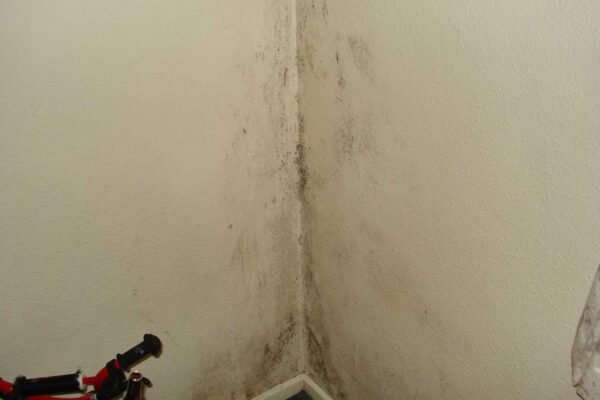
    The government’s latest English Housing Survey, giving a snapshot of the private rental sector in 2023, says the problem of mould and damp is growing.

    In 2023 some 5% of homes in England had a problem with damp, higher than in any of the last five years and this was more prevalent in the private rented sector (9%) compared to the social rented sector (7%) and owner-occupied sector (4%).

    The survey says: “We have seen increases in levels of damp and mould and have also observed changes to the space available in homes and the size of households that could have knock-on effects for housing quality.”

    However, there was a reduction in the prevalence of Category 1 hazards, from 14% to 10%, and in non-decent homes compared to pre-pandemic estimates, down from 23% to 21% – although this is still by far the highest of all housing categories.

    The survey findings show that compared to a decade ago, there are fewer non-decent and unsafe homes, and more homes in the highest energy efficiency bands A to C across the sectors, up from 23% to 52%.

    Blog Post from Letting Agent Today

  • Mould and Damp a Growing Problem in Private Rental Sector

    Mould and Damp a Growing Problem in Private Rental Sector

    The government’s latest English Housing Survey, giving a snapshot of the private rental sector in 2023, says the problem of mould and damp is growing.

    In 2023 some 5% of homes in England had a problem with mould and damp, higher than in any of the last five years and this was more prevalent in the private rented sector (9%) compared to the social rented sector (7%) and owner-occupied sector (4%).

    The survey says: “We have seen increases in levels of damp and mould and have also observed changes to the space available in homes and the size of households that could have knock-on effects for housing quality.”

    However there was a reduction in the prevalence of Category 1 hazards, from 14% to 10%, and in non-decent homes compared to pre-pandemic estimates, down from 23% to 21% – although this is still by far the highest of all housing categories.

    The survey findings show that compared to a decade ago, there are fewer non-decent and unsafe homes, and more homes in the highest energy efficiency bands A to C across the sectors, up from 23% to 52%.

    Blog Post from Letting Agent Today

  • Section 21: Only small proportion of renters evicted, official data shows

    Section 21: Only small proportion of renters evicted, official data shows

    The latest edition of the English Housing Survey reveals precisely how relatively rarely Section 21 is used.

    Data from the English Housing Survey analysed by Propertymark shows that in 2022-23, some 63% of private renters who had moved in the previous 12 months stated they ended their tenancy by choice. Job-related reasons were the most common driver, followed by wanting a larger property or to live in a better area.

    Only 9% of private rental sector households said they had left a property due to eviction, and in most cases, this was because the landlord wanted to sell or move into the property themselves.

    Just over half were asked to leave informally, 37% stated they were issued a Section 21 notice, and only 2% received a Section 8 notice.

    Some 78% of private renters said they currently felt safe from eviction, and 68% felt their housing situation was secure enough for them to be confident in making long-term decisions about their lives. Three-quarters said their rented property felt like home, and most also felt invested in their community.

    Other data found by Propertymark in its study of the report includes the fact that around 19% of the population live in the PRS, and on average they are younger than in other tenures. Single-person households account for 33% of the sector and 40% is made up of couples with or without dependent children.

    Some 5% of PRS homes are overcrowded, with properties in London accounting for many of these. However, far more – 16% – are under-occupied, with at least one spare bedroom.

    Weekly housing costs are higher for private renters than any other tenure (with a mean cost of £231). There is significant regional variation in affordability, with private tenants in London paying twice as much as those in the North East.

    Private tenants are still most likely to live in non-decent, hazardous, or damp homes, although 2.1 million owner-occupiers also live in properties with at least one category 1 hazard. Damp is a particular issue for the PRS, with private tenants five times more likely to live in a home affected by dampness than owner-occupiers.

    Rural homes are twice as likely to have a category 1 hazard present than urban properties. Houses in villages and hamlets tend to be older, less energy efficient, and have higher levels of disrepair, with 26% failing to meet the Decent Homes Standard – which will ultimately be a mandatory element of the private rental sector, according to the new government’s policy.

    The median cost to bring non-decent homes up to the Standard is £7,953.

    Blog Post from Letting Agent Today

  • English Housing Survey: Small Proportion of Renters Evicted

    English Housing Survey: Small Proportion of Renters Evicted

    The latest edition of the English Housing Survey reveals precisely how relatively rarely Section 21 is used.

    Data from the English Housing Survey analysed by Propertymark shows that in 2022-23, some 63% of private renters who had moved in the previous 12 months stated they ended their tenancy by choice. Job-related reasons were the most common driver, followed by wanting a larger property or to live in a better area.

    Only 9% of private rental sector households said they had left a property due to eviction, and in most cases, this was because the landlord wanted to sell or move into the property themselves. 

    Just over half were asked to leave informally, 37% stated they were issued a Section 21 notice, and only 2% received a Section 8 notice.

    Some 78% of private renters said they currently felt safe from eviction, and 68% felt their housing situation was secure enough for them to be confident in making long-term decisions about their lives. Three-quarters said their rented property felt like home, and most also felt invested in their community.

    Other data found by Propertymark in its study of the report includes the fact that around 19% of the population live in the PRS, and on average they are younger than in other tenures. Single-person households account for 33% of the sector and 40% is made up of couples with or without dependent children.

    Some 5% of PRS homes are overcrowded, with properties in London accounting for many of these. However, far more – 16% – are under-occupied, with at least one spare bedroom.

    Weekly housing costs are higher for private renters than any other tenure (with a mean cost of £231). There is significant regional variation in affordability, with private tenants in London paying twice as much as those in the North East.

    Private tenants are still most likely to live in non-decent, hazardous, or damp homes, although 2.1 million owner-occupiers also live in properties with at least one category 1 hazard. Damp is a particular issue for the PRS, with private tenants five times more likely to live in a home affected by dampness than owner-occupiers. 

    Rural homes are twice as likely to have a category 1 hazard present than urban properties. Houses in villages and hamlets tend to be older, less energy efficient, and have higher levels of disrepair, with 26% failing to meet the Decent Homes Standard – which will ultimately be a mandatory element of the private rental sector, according to the new government’s policy. 

    The median cost to bring non-decent homes up to the Standard is £7,953.

    Blog Post from Letting Agent Today